Two bathrooms with matching dimensions can return very different quotes. Style, glass thickness, panel sizing and hardware all shape a shower screen price, and the bathroom itself decides how much work the installation takes. Framed screens sit at the lower end of the range, semi-frameless in the middle and frameless at the top. What separates those tiers is worth understanding before you start requesting quotes for shower screens in Ballina.
What Determines the Price of a Shower Screen
There is no standard price for a shower screen, which is why figures found online rarely match what a glazier quotes for your bathroom. Most quotes arrive as a single number covering supply and installation, and that number combines four separate costs. Glaziers price each one individually before presenting the total.
Every quote is built from these four components:
- Glass supply: the raw panel cost, driven by thickness and the area of glass your opening requires.
- Fabrication: cutting, edge finishing, hinge and handle cut-outs and toughening, all completed before the panel reaches your home.
- Hardware: frames, hinges, brackets, seals and trims, specified to match the style and the weight of the glass.
- Installation labour: removing the old screen, fixing the new panels and sealing the job.
Ask which of the four a quote covers. Removal of an existing screen and any tile repair underneath it are the two worth confirming before you compare quotes.
Framed, Semi-Frameless and Frameless Cost Compared
Style sets the range your quote falls into, because each design handles structural load differently. That single decision determines how thick the glass needs to be and how much hardware holds it in place.
The three options separate cleanly:
- Framed screens: the aluminium frame carries the load, so thinner glass works, hardware stays simple and slightly uneven walls are easier to accommodate.
- Semi-frameless screens: framing remains only where support matters most, so the unframed sections need thicker glass and material cost climbs.
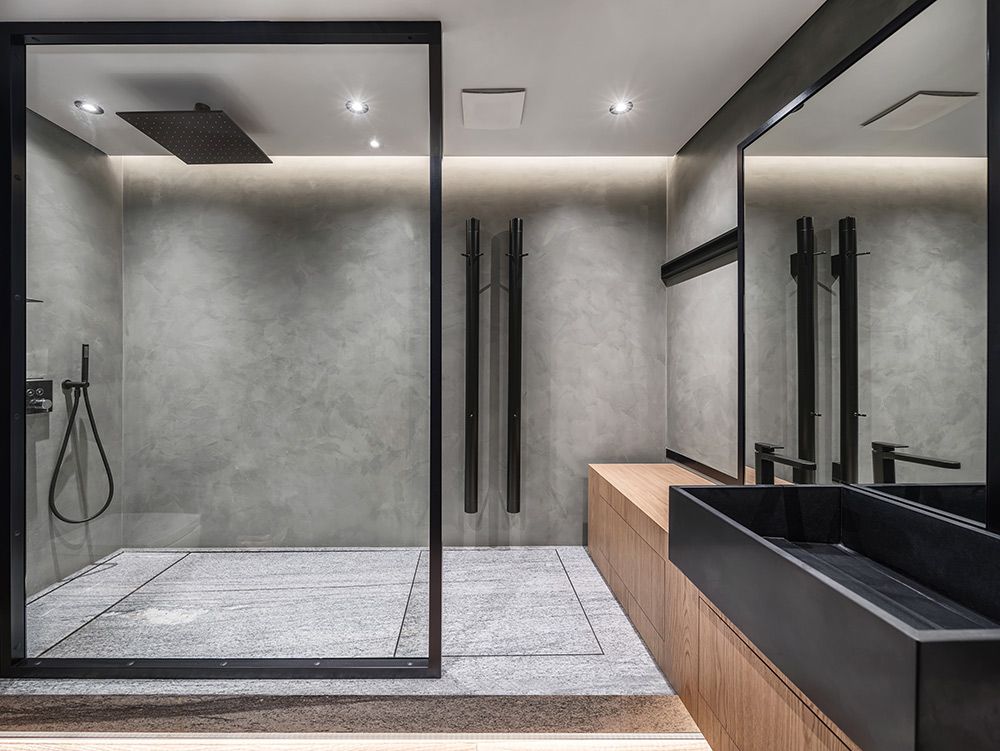
- Frameless screens: the glass becomes the structure, which means substantially thicker toughened panels and heavier-duty hinges and brackets rated for that load.
Frameless screens cost more than framed ones, and the gap is structural rather than cosmetic. A frameless shower screen cost reflects glass that holds itself up, along with the tighter fabrication tolerances that job demands.
Glass Thickness and Why It Drives So Much of the Quote
Thickness is the mechanism behind the style difference. Choosing frameless over framed is really choosing thicker glass, and that choice carries through every later stage of the job.
Thickness affects four things at once:
- Material cost: thicker glass costs more per square metre before any fabrication begins.
- Hardware rating: heavier panels need stronger hinges, brackets and wall fixings to carry the weight safely.
- Handling: large frameless panels usually take two installers to lift and set, which adds on-site labour.
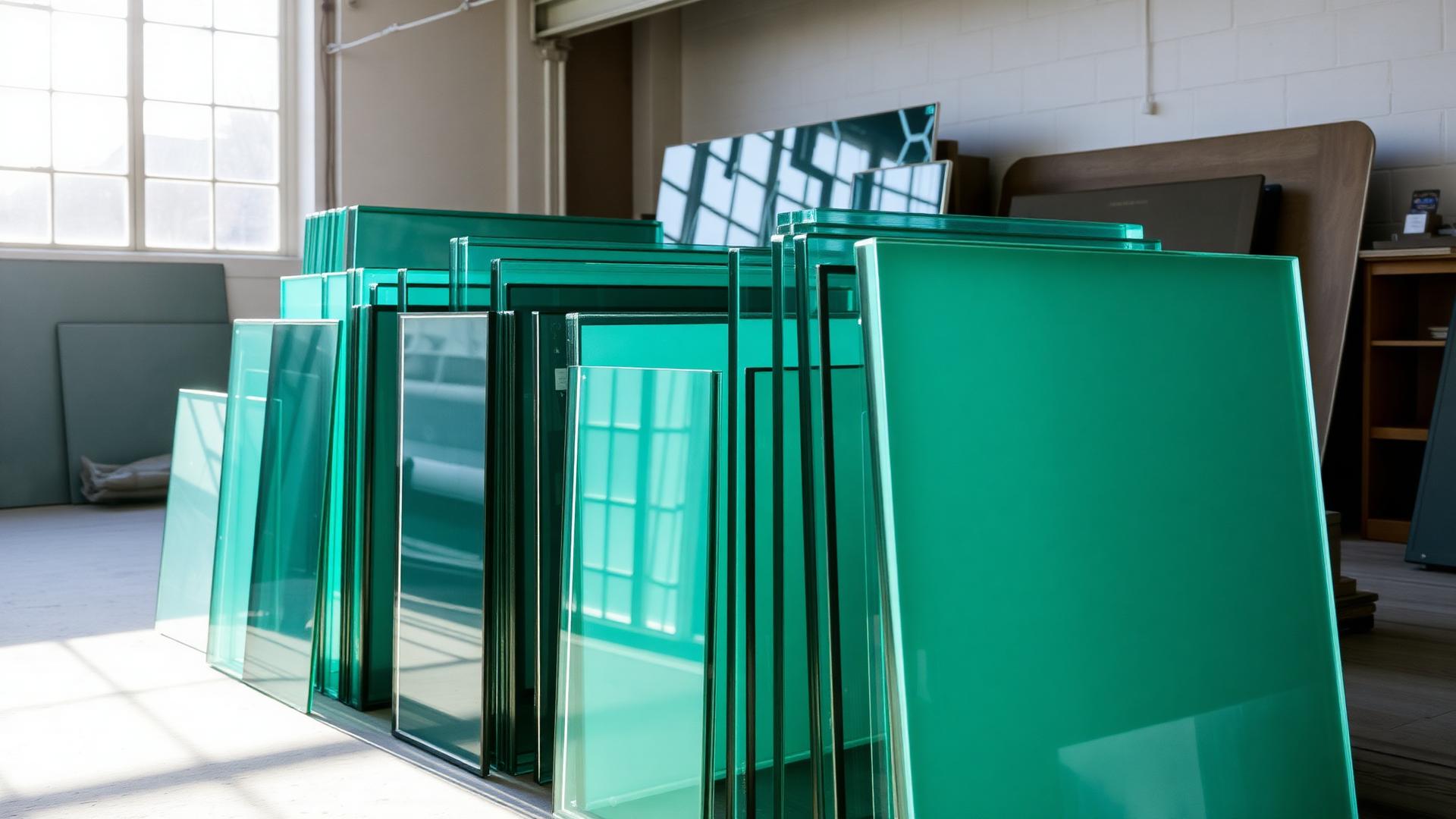
- Room for error: panels are cut, shaped and edge-finished before toughening, because a toughened panel cannot be trimmed or drilled afterwards without shattering.
That sequence is what makes fabrication errors expensive. Every cut-out has to be right the first time, because a mistake means starting the panel again from raw sheet. Toughened safety glass is mandatory in shower screens under Australian safety standards, so the toughening itself is never the optional extra. What moves your quote is how thick that toughened panel needs to be.
Custom Sizing Versus Standard Panels
Standard screens come in set widths and heights that suit common shower recess dimensions. Those sizes move in volume, so panels and framing stay readily available and lead times stay short.
Custom panels follow a longer sequence:
- On-site measure: the opening is measured precisely rather than matched to a catalogue size.
- Workshop cutting: the panel is cut to those exact measurements in the local Ballina workshop.
- Edge finishing: exposed edges are polished and any cut-outs for hinges or handles are made.
- Toughening: the finished panel is toughened last, after which nothing further can be altered.
Every step adds fabrication time, and fabrication time is what lifts the price. Custom sizing is also less of a choice than people assume. Walls settle, tiling builds out unevenly and recesses that look square rarely measure square. As an example, a 1970s Ballina home might have a shower opening noticeably wider at the top than the bottom, which rules out a stock panel before you have chosen anything.
Hardware, Coatings and Finishing Choices
Hardware is where a quote builds up. The glass is only part of the build, and the components holding it together range from basic to premium depending on the finish and the mechanism.
These choices shift the total:
- Frame and trim colour: standard finishes cost less than specialty powder-coated options.
- Fixings and trims: snap caps, dress trims and pivot blocks tidy the installation and vary by style.
- Hinges and handles: frameless panels require heavier-duty hinges, and handle designs range widely in price.
- Seals and water bars: these keep water contained and are matched to the door type rather than chosen freely.
- Protective coatings: treatments such as EnduroShield repel water and oil-based marks, trading upfront cost for easier cleaning.
Only the colour choice is purely cosmetic. Every other component affects how the screen performs over years of daily use, which is worth weighing against the saving a cheaper alternative offers.
Site Conditions That Affect Shower Screen Replacement Cost
Replacing an existing screen involves work a fresh installation does not, and most of it happens before the new glass arrives.
Five conditions commonly add labour:
- Removal and disposal: the old unit comes out along with the silicone and adhesive residue behind it.
- Wall substrate: solid masonry, tiled cement sheet and stud walls each call for different anchors and different care.
- Tile condition: damage revealed underneath the old screen has to be repaired before the new one goes in.
- Access: narrow hallways, stairwells and tight ensuites can turn a simple install into a two-person lift.
- Waterproofing and curing: a screen fitted before the substrate is ready risks leaks later, which affects scheduling.
This is the part of a shower screen replacement cost that homeowners rarely budget for, because none of it is visible in the finished bathroom. It matters most with frameless designs, which load the wall fixings far harder than a framed unit does.
Getting a Quote for Shower Screens in Ballina
An accurate shower screen cost in Ballina only comes from a measure on site, because so many of the variables belong to the bathroom rather than the catalogue. At Headlands Glass, we supply and install framed, semi-frameless and frameless shower screens in Ballina and across the Northern Rivers, with every panel cut to suit the opening it goes into. Book a free measure and quote, and you will know which choices are driving your price before you commit to a style.